
OpenAI announced expanded AI access for academic researchers on November 16. The development sits within a wider effort to make AI more usable in scientific work. For a university or research group, access is only the first question; suitable data practices, repeatable workflows and validated results are just as important.
Check the program's actual terms
Researchers should use the official announcement and application materials for eligibility, supported products and any limits. A broad access initiative should not be assumed to cover every institution, every country or unlimited compute. Program terms can change as capacity and participation develop.
The useful distinction is between getting a tool and establishing a reliable method for using it in research. The former can be quick; the latter needs careful evaluation.
Where an assistant may help
Potential starting points include organizing literature, preparing code, explaining unfamiliar methods and turning notes into a draft analysis. Each task needs checks suited to its risks. A literature summary should point back to real papers, while a data analysis should preserve the code and assumptions that produced the result.
Sensitive or unpublished material also needs institution-approved handling. A researcher should not infer that academic access automatically authorizes uploading every dataset or confidential collaboration document.
A practical first experiment
Choose a completed project or a non-sensitive sample with a known answer. Compare the assistant's work with the original process, recording time, corrections and errors. Include cases where the tool should say it lacks enough evidence.
For Indian institutions, confirm local eligibility and consult the university's research-data policies before expanding use. Expanded access can lower the barrier to experimentation. The stronger claim—that AI improves a particular scientific workflow—needs evidence from that workflow and should be evaluated with the same care as any other research method.
Sources and related reading
Source: OpenAI, published 16 November 2026.
Related on TechnoVibes:
- OpenAI Studies How Scientists Use ChatGPT at Work
- Best Free AI Tools Indian Students Can Actually Use
- Nemotron for Science Brings Open AI to Research Labs
More coverage: AI & Apps.
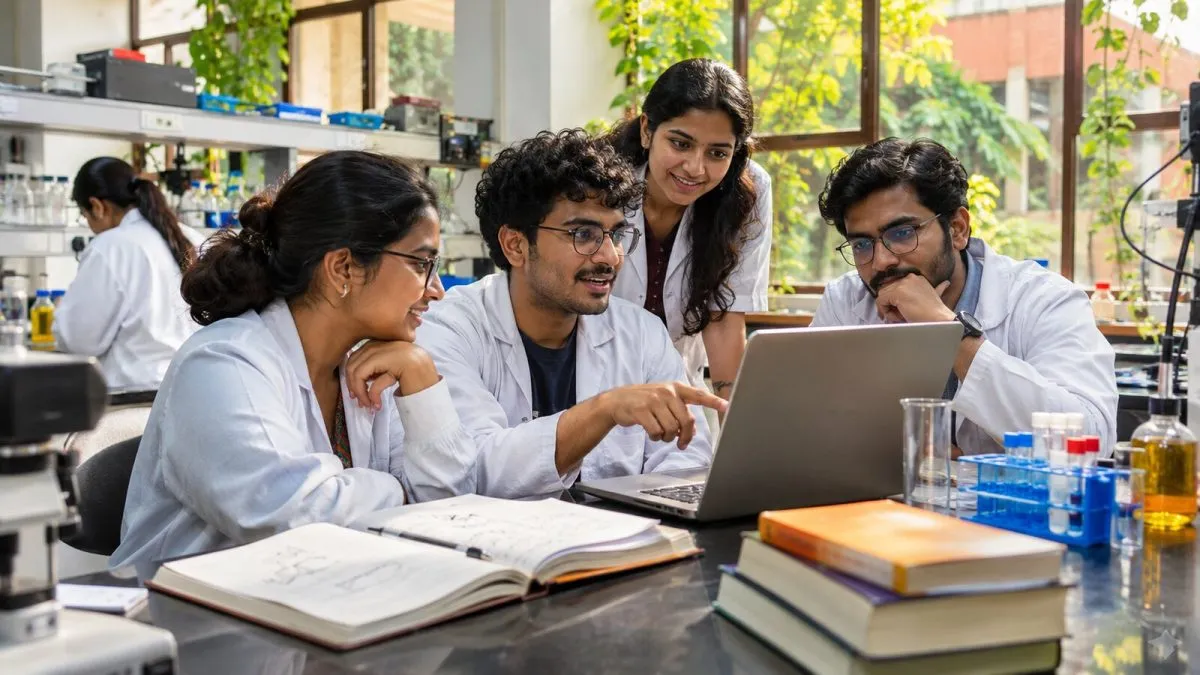
Image: AI-generated editorial illustration. It depicts a representative scene, not a photograph of the reported event or an exact product reference.


