
SpaceX selected Qualcomm Dragonwing cellular infrastructure platforms for Starlink Mobile's planned US terrestrial 5G network, Qualcomm announced on November 4. The release names QRU100 and QDU100 platforms and says the nationwide rollout is planned to begin in 2027. This concerns terrestrial base stations in the United States, not an announced Indian mobile-service launch.
Terrestrial and satellite coverage are different
A terrestrial network uses ground-based radio sites to connect phones. Satellite connectivity relies on spacecraft and a different set of coverage, capacity and device considerations. A business using the Starlink name can involve both without making the two technologies interchangeable.
Qualcomm says the base-station architecture includes Massive MIMO, efficient processing and commercial Layer 1 software. Deployment scale and timing in the release are plans under a multiyear agreement.
Why the distinction matters
Readers may see a Starlink headline and assume it describes satellite broadband or direct-to-phone service available immediately. That can lead to incorrect expectations about equipment, coverage and subscriptions. The first question should always be which network layer and which country the announcement addresses.
For operators, the hardware choice also involves software, spectrum and operational integration. A component agreement is only one stage in turning a network plan into a working service that customers can buy.
What consumers should wait for
Look for official coverage maps, compatible-device lists, plan terms and a confirmed service start. Treat a planned 2027 rollout as a target until the operator announces operational availability. Indian readers should follow local regulatory and service announcements separately.
The Qualcomm agreement is meaningful because it identifies a supplier and a technical direction for the US buildout. It does not establish a global launch date or demonstrate that all locations will receive the same coverage and capacity at the same time.
Sources and related reading
Source: Qualcomm, published 4 November 2026.
Related on TechnoVibes:
- Grok Bot 1.0 Adds Shared and Proactive AI Teammates
- SpaceX Catches Starship After Flight 15 Orbital Test
- Google Fi Adds Automatic Switching Between Two 5G Networks
More coverage: Telecom.
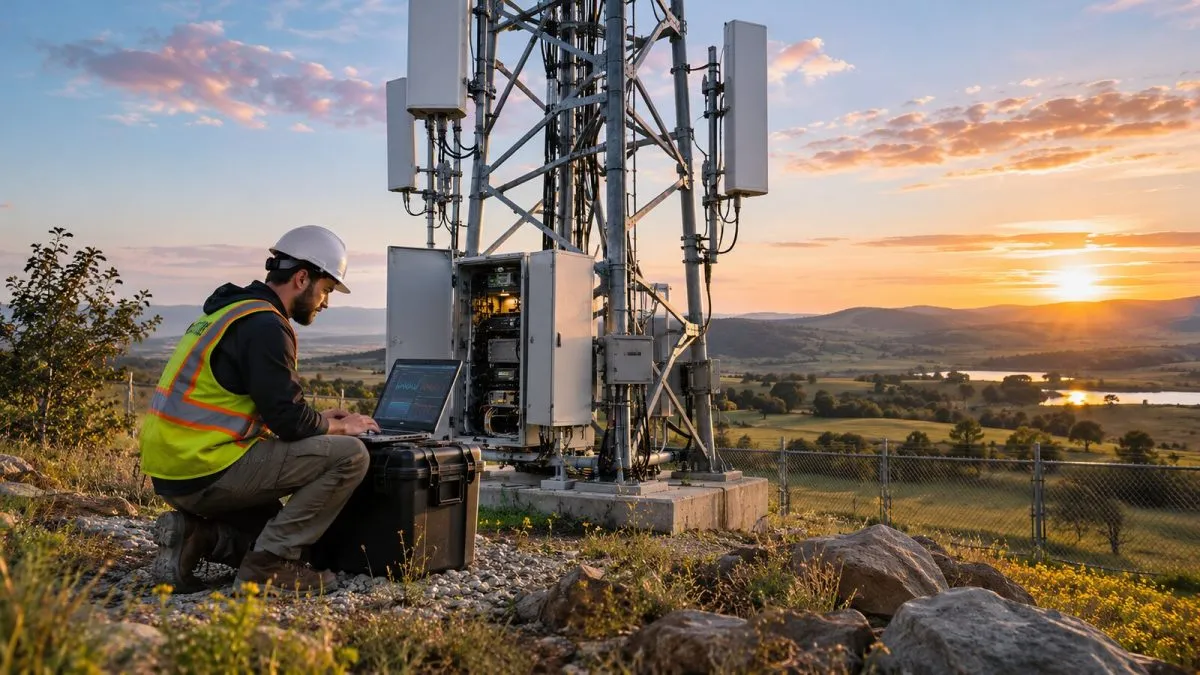
Image: AI-generated editorial illustration. It depicts a representative scene, not a photograph of the reported event or an exact product reference.


