

Qualcomm reported a validation milestone for its first-generation High Bandwidth Compute silicon on November 2. The company says it exercised the complete memory read-write path and near-memory computations in its laboratory. This establishes a reported hardware-development step, not a claim that every planned HBC-based product is already available in volume.
Why memory is central to inference
Running a large AI model involves repeatedly moving data as well as performing arithmetic. If computation waits for memory, adding more arithmetic capability may provide limited benefit. Bringing some computation closer to data is one approach to that constraint.
Qualcomm presents HBC as a multiyear program for future inference platforms. Its validation claims should be read as supplier-reported results under the described conditions.
A milestone is different from a finished system
Working silicon must still be integrated into products, supported by software and evaluated at the intended scale. Power, manufacturing yield and reliability can influence whether an architectural idea becomes economical in deployment.
That is why readers should distinguish a laboratory proof of operation from an orderable server with published performance and support terms. Both are meaningful developments, but they answer different questions.
What future evidence should include
Look for complete-system measurements on representative models, including memory use, latency and energy. Check how the comparison handles model quality, precision and batch size. A narrow bandwidth result should not be stretched into a universal application-speed claim.
For developers, the relevant issue is whether software and deployment tools make the hardware usable without disproportionate migration effort. Qualcomm's HBC work is worth following because memory movement is a real AI infrastructure challenge. The commercial significance will become clearer through product integration and repeatable workload results rather than the validation milestone alone.
Sources and related reading
Source: Qualcomm, published 2 November 2026.
Related on TechnoVibes:
- SpaceX Picks Qualcomm for Starlink Mobile 5G Buildout
- Illustrator and InDesign Now Run Natively on Snapdragon PCs
- Intel Core Ultra vs AMD Ryzen AI vs Snapdragon X: Laptop Processors Explained
More coverage: Laptops & PCs.
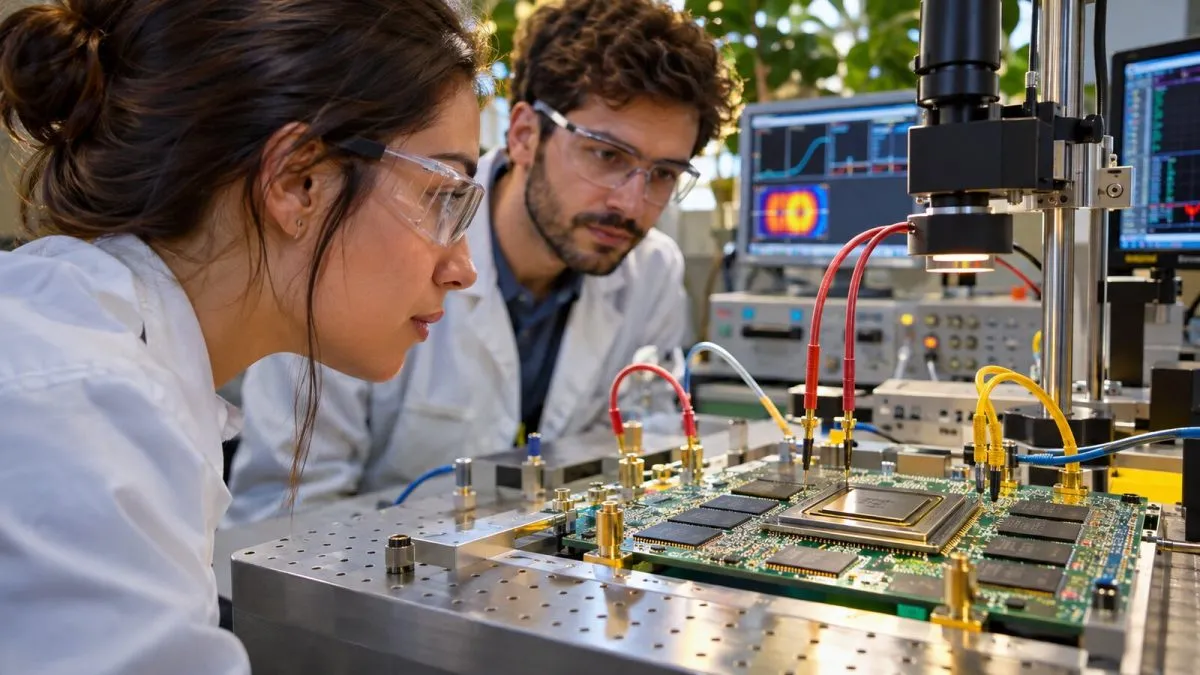
Image: AI-generated editorial illustration. It depicts a representative scene, not a photograph of the reported event or an exact product reference.


