

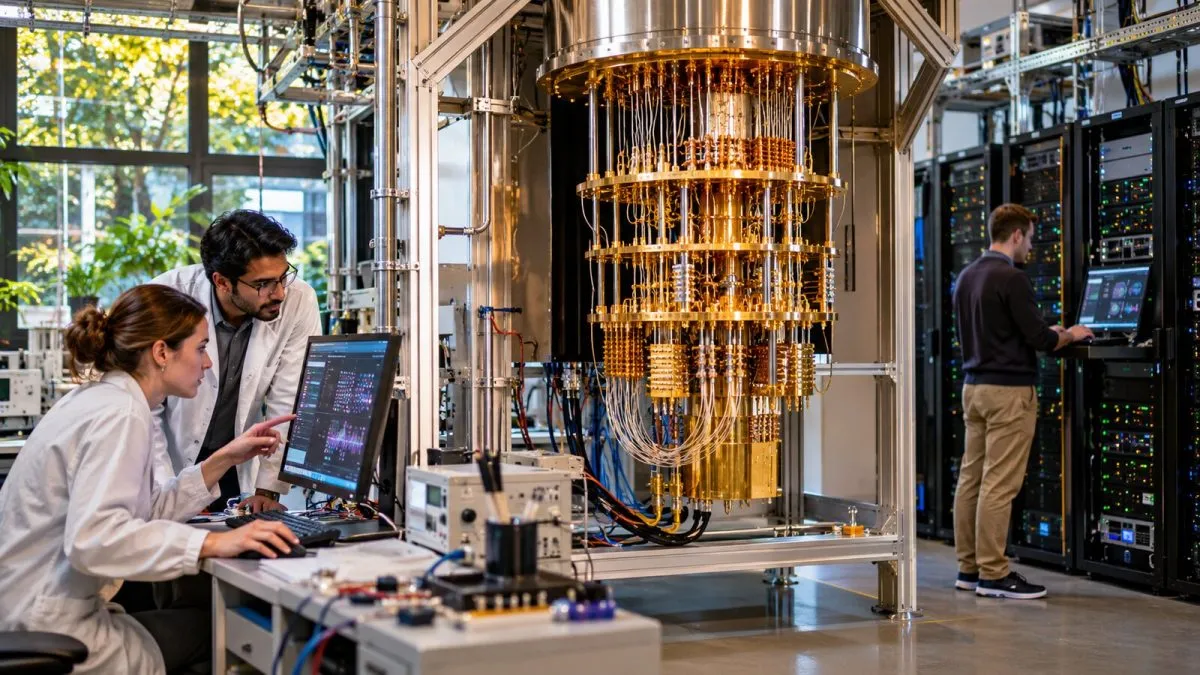
NVIDIA's November 16 Slurm update brings quantum computing into the discussion about how supercomputers organize work. The company describes expanding Slurm for quantum resources as research centers combine conventional processors, GPUs and quantum systems. The development concerns research infrastructure, not the arrival of a general-purpose quantum computer for everyday applications.
Why scheduling becomes a research problem
A scheduler decides which jobs can use a shared machine and when. Hybrid quantum research adds another resource to that process. A workflow may prepare a calculation on classical hardware, run a quantum step and analyze the result on conventional computers.
Those stages can have different availability and timing constraints. Researchers need a way to coordinate them without treating each device as an isolated experiment that requires a completely separate operational process.
What the integration could improve
Putting resources under a more consistent scheduling framework could make hybrid experiments easier to reproduce and administer. It may also help centers record which hardware and software a particular result used. That traceability matters when a result depends on noisy devices, calibration and repeated measurements.
This is an operational benefit. It should not be confused with a claim that quantum hardware is faster for every problem or that adding a scheduler solves error correction. The scientific and engineering challenges remain distinct.
What research teams should ask
Check which quantum platforms and interfaces are supported by the version being evaluated. Ask how reservations, access control and failure recovery work across the classical and quantum stages. Test a small workflow that includes an interrupted job and verify whether its records are sufficient to reproduce the run.
For universities exploring quantum access through a shared facility, the relevant question is how the service exposes these capabilities to users. NVIDIA's announcement signals closer integration between quantum experiments and established HPC operations. Real usability will depend on the implementation available at each center.
Sources and related reading
Source: NVIDIA Blog, published 16 November 2026.
Related on TechnoVibes:
- IBM and AMD Release Pelagos for Quantum Decoder Research
- NVIDIA Expands AI Chip Substrate Supply Agreements
- NVIDIA Names Colette Kress Interim CEO After Huang Exit
More coverage: Tech News.
Image: AI-generated editorial illustration. It depicts a representative scene, not a photograph of the reported event or an exact product reference.


