

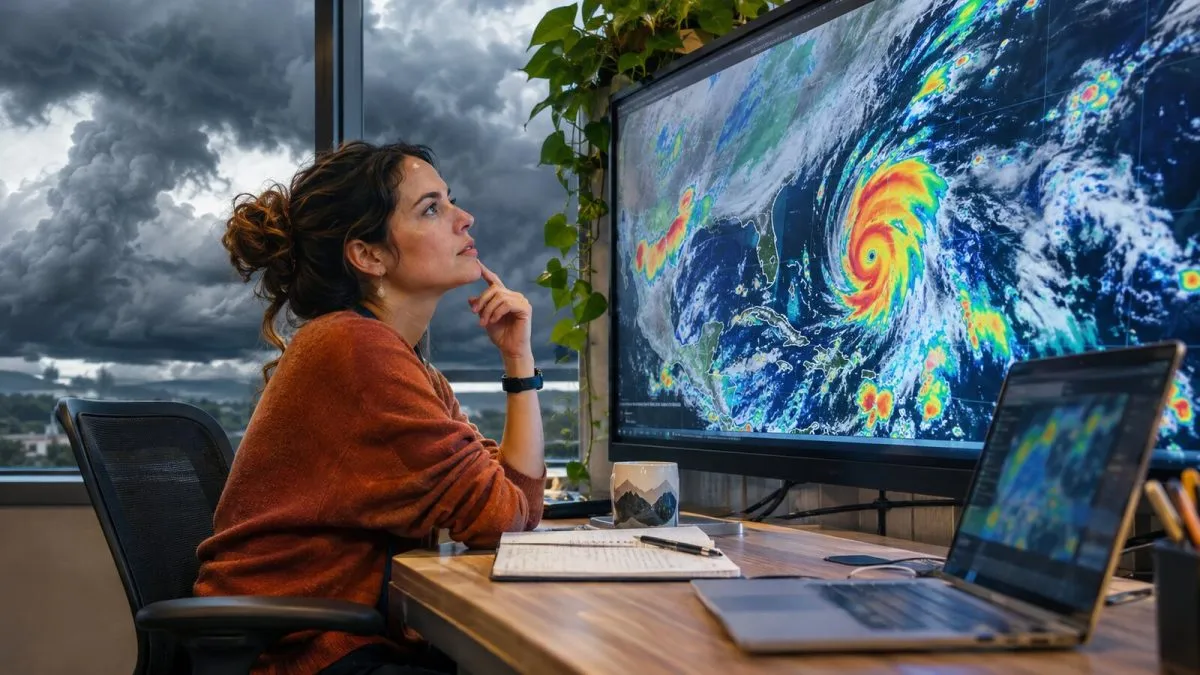
Google DeepMind released PARDIG and SatWeave on November 13 to support weather, hydrology and climate applications. The datasets provide global precipitation information and a mosaic of geostationary satellite imagery, and the team says they contributed to WeatherNext 3. Historical archives and live feeds are part of the release described by DeepMind.
Better observations support better models
A weather model needs a useful representation of current and past conditions. Turning different satellite and ground observations into a coherent dataset is an engineering and scientific challenge. Open access can help researchers examine methods and build applications without starting that collection process from scratch.
Researchers still need to review licenses, coverage and documentation. A global dataset may have different quality and availability across locations and periods.
Why evaluation must match the application
A dataset useful for broad forecasting research may need additional validation for a local flood, agriculture or infrastructure application. Resolution, update delay and historical consistency can influence whether it answers the intended question.
Avoid evaluating only on a few memorable storms. A meaningful comparison includes ordinary conditions, difficult regions and a test period separate from model development. That helps reveal where an approach improves performance and where it remains weak.
What developers can do first
Download a documented sample and inspect units, timestamps, missing values and geographic coverage. Reproduce a small example before building a larger pipeline. Keep version information so later changes in the feed do not silently alter an analysis.
For Indian users, local validation is especially important before using a global research product for operational decisions. Follow official weather and emergency guidance for immediate safety information. The release is valuable because shared datasets can make weather-AI research easier to inspect, compare and extend through clearly documented methods.
Sources and related reading
Source: Google DeepMind, published 13 November 2026.
Related on TechnoVibes:
- GPT-6 Is Now in ChatGPT: What Free and Go Users in India Actually Get
- Anthropic's New Claude Models Explained: Opus 5.5, Sonnet 5.5 and Haiku 5.5
More coverage: Tech News.
Image: AI-generated editorial illustration. It depicts a representative scene, not a photograph of the reported event or an exact product reference.


