

IBM's November 11 quantum-computing update describes Nighthawk r3 as a planned processor designed to execute 10,000 quantum operations across 520 qubits. The company also outlines a path beyond 1,000 qubits in 2027. Those are roadmap targets and should not be reported as capabilities already delivered by the current system.
Qubit count is only one dimension
A useful quantum calculation depends on the quality and connectivity of the qubits, the operations performed and the effect of errors. A larger device does not automatically solve a larger useful problem with acceptable accuracy.
IBM distinguishes the planned r3 processor from the Nighthawk generation available at the time of the announcement. That distinction is important when comparing current access with future commitments.
Why circuit quality matters
An application may need a long sequence of operations. Errors can accumulate through that sequence, making the final answer less informative. Improvements in hardware and error-handling methods therefore need to be considered alongside scale.
Reported speedups also need a defined baseline and task. A result for one circuit or workflow should not be turned into a claim that quantum computers are faster than conventional machines for all computing.
What researchers should look for
Check the exact processor, access conditions and software version used in a result. Look for reproducible circuit descriptions and an appropriate classical comparison. Distinguish physical qubits, logical-qubit work and broader fault-tolerance goals.
For businesses exploring quantum computing, begin with a problem and a research partnership rather than a hardware-count target. IBM's update gives a more detailed view of its direction. The next meaningful evidence will be delivered hardware and validated workloads showing what the proposed improvements enable under clearly described conditions.
Sources and related reading
Source: IBM Newsroom, published 11 November 2026.
Related on TechnoVibes:
- IBM and AMD Release Pelagos for Quantum Decoder Research
- Apple Starts US Study of How People Use Health AI
More coverage: Tech News.
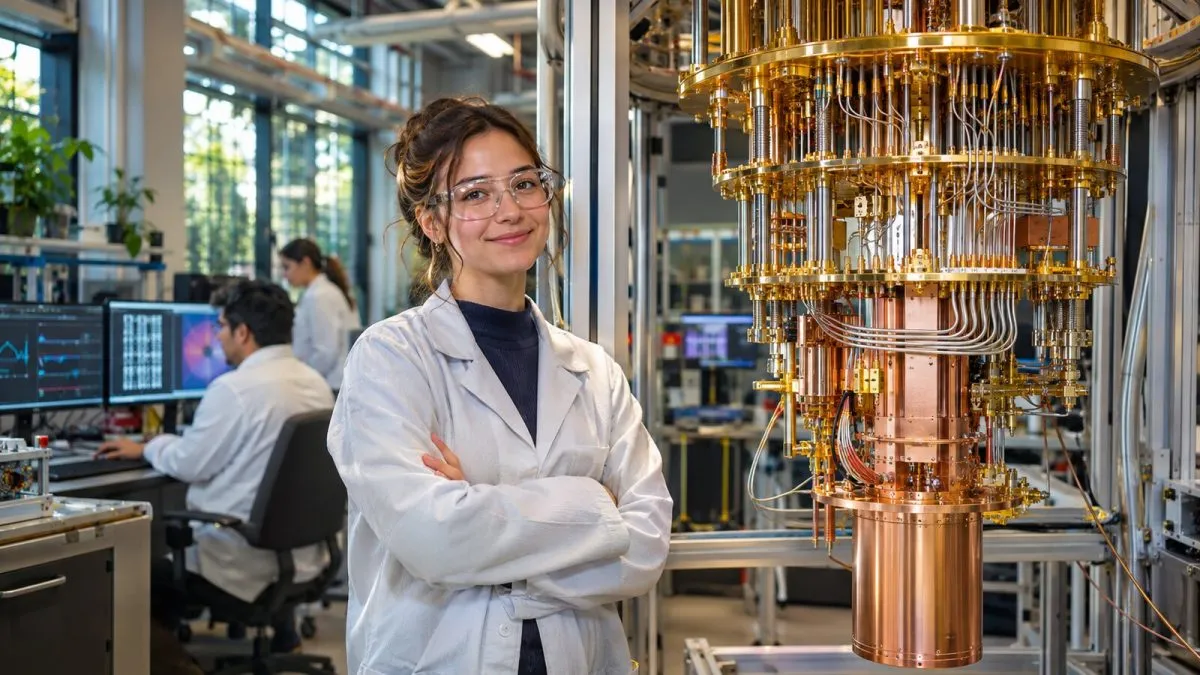
Image: AI-generated editorial illustration. It depicts a representative scene, not a photograph of the reported event or an exact product reference.


